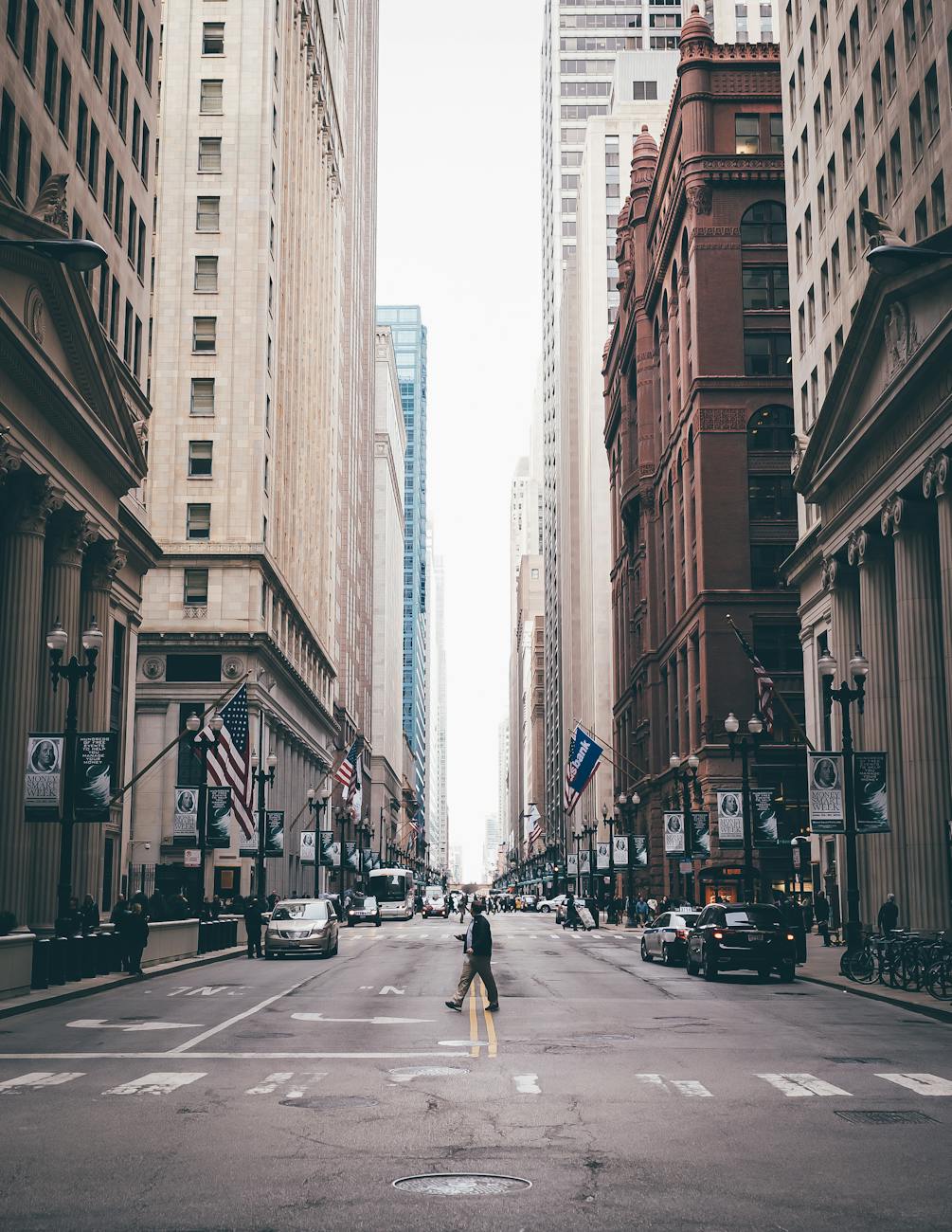
In the heart of every major city, sound never truly stops. The rumble of trucks, the shriek of subway brakes, the hum of HVAC units, the constant thrum of construction—modern urban life is a rising tide of noise. And it’s getting worse.
According to the World Health Organization, noise pollution is now the second most harmful environmental stressor in Western Europe, behind only air pollution. But while smoke and smog are visible—and often avoidable—urban noise is invasive, persistent, and largely invisible. Most people have grown so used to it, they no longer notice. But their nervous systems do.
The Decibel Climb
Cities have always been noisy. Ancient Rome passed the first known noise ordinances over 2,000 years ago, banning wagons at night due to complaints from sleep-deprived citizens. But today’s volume isn’t just louder—it’s constant. A 2023 study published in Science of the Total Environment found that average sound levels in major cities worldwide have increased by over 30% since the 1990s, with nighttime noise nearly doubling in certain dense urban zones.
The causes are layered. Rising populations and urban sprawl mean more vehicles, more industry, and more 24-hour economies. Add to that the rise of e-commerce (more delivery trucks), construction booms (more jackhammers), and even air traffic from drones and helicopters. Combine all of it, and what we’re experiencing is not just louder cities—but cities that never go quiet.
The Body Under Siege
Humans did not evolve in environments of endless background sound. Evolution shaped our auditory systems to detect danger—snaps, growls, cries, movement. Constant, non-threatening noise—especially when it’s unpredictable—keeps the brain in a state of low-level alert. This leads to a phenomenon called noise stress.
Unlike acute stress, which spikes during moments of clear threat, noise stress accumulates quietly. It disrupts sleep, increases cortisol levels, and raises blood pressure. Over time, it has been linked to higher risks of heart disease, stroke, and type 2 diabetes. A 2018 study in The Lancet even found a significant correlation between long-term exposure to traffic noise and dementia in elderly populations.
Sleep disruption is one of the most immediate effects. The brain cycles through stages during rest, including deep sleep and REM. Noise—even sounds you don’t consciously wake up to—can interrupt those stages, reducing sleep quality and leaving the body under-rested and chemically imbalanced. Poor sleep, in turn, is linked to weakened memory, emotional dysregulation, and reduced immune function.
Mental Fragmentation
Cognitive science has shown that attention is a limited resource. Noise—especially the kind that comes and goes unpredictably, like honking or alarms—forces the brain to divert attention involuntarily. This “attentional capture” makes deep work more difficult and weakens memory formation.
This isn’t just a nuisance—it’s a form of environmental cognitive taxation. Studies from urban environments show that people exposed to chronic noise perform worse on tasks requiring focus and working memory. Children living in noisy neighborhoods have been shown to lag behind in reading skills and concentration compared to peers in quieter environments.
Even for adults, the consequences of long-term exposure aren’t subtle. Urban dwellers show higher rates of anxiety disorders, mood swings, and burnout—often independent of other stressors like financial instability or job strain. Brain imaging studies suggest that noise-exposed individuals have heightened activity in the amygdala, the brain’s fear center, contributing to persistent low-level stress and emotional reactivity.
The Quiet Divide
Interestingly, noise exposure—and its mental toll—is not equally distributed. In most cities, poorer neighborhoods tend to be louder. Low-income housing is often located near highways, airports, or industrial zones. These residents are less likely to have access to double-glazed windows, soundproofing, or private green space.
This “acoustic inequality” means that environmental noise becomes another axis of health and cognitive disparity. Children raised in these conditions may not just suffer poorer physical health—but a quieter future in terms of educational and occupational opportunity.
Meanwhile, the wealthy buy silence. Luxury real estate markets now sell peace as a premium: soundproof penthouses, secluded suburbs, access to quiet parks. In essence, silence is becoming a privilege.
Searching for Solutions
Solving urban noise is not as simple as asking people to be quieter. Most urban sound comes from systems—transportation, logistics, construction, public infrastructure. Reimagining these systems for silence requires political will, technological innovation, and urban planning that values acoustic health.
Some cities are trying. Paris has installed noise sensors across key areas to enforce sound ordinances more effectively. Barcelona redesigned some of its urban grid to create “superblocks”—car-free zones that dramatically reduce decibel levels. New York City has begun incentivizing quieter delivery vehicles and implementing sound barriers on certain roads.
But there is still a long way to go. Most building codes do not include acoustic health as a core requirement. Public transport systems are rarely designed with noise reduction in mind. And few people realize that what’s “normal” in city life is slowly altering their neurology.
Reclaiming the Soundscape
There is a hidden cost to never hearing silence. The brain craves quiet, not just for rest—but for growth. In silence, the default mode network of the brain activates: a network associated with reflection, insight, memory consolidation, and emotional processing. Constant noise robs us of those moments.
So, what happens when you give people back their silence?
In controlled studies, participants exposed to just two hours of silence showed increased hippocampal cell growth—one of the few known effects to promote neurogenesis in adults. Quiet helps the brain literally grow.
This isn’t just poetic—it’s biological. Silence is not the absence of sound; it’s the presence of peace. Cities that ignore this truth risk becoming places where mental bandwidth is burned just surviving the soundscape.
As the noise rises, we must ask: how much of our minds are we willing to lose just to live in the city?
 The Zuara Press
Leave a comment