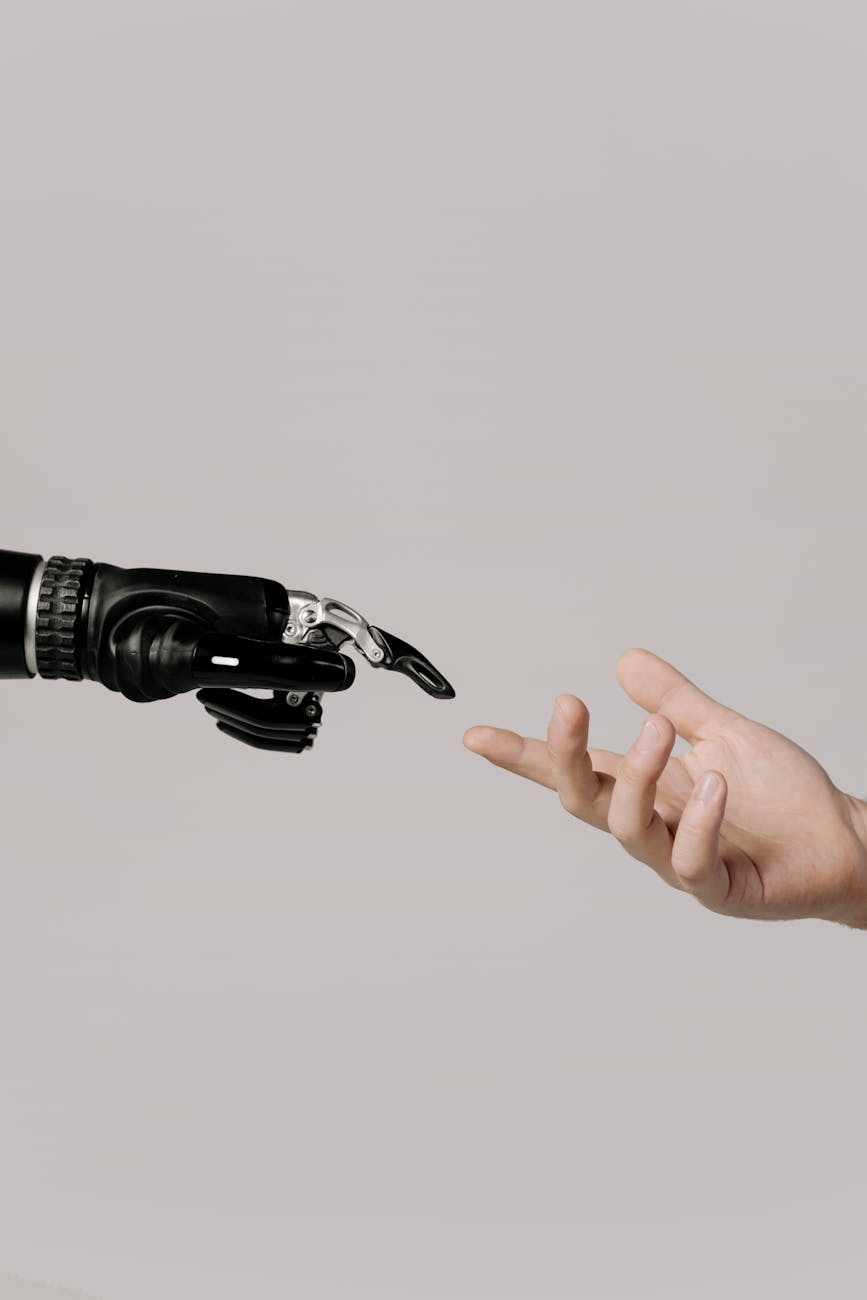
Soft robotics is an emerging field focused on building robots from flexible, deformable materials that more closely mimic the movement and adaptability of living organisms. Unlike traditional robots made of metal and rigid joints, soft robots use silicone, rubber, or smart materials that bend and twist in lifelike ways.
Inspired by creatures like octopuses, worms, and fish, soft robots can squeeze through tight spaces, handle delicate objects, and adapt to unstructured environments. This makes them especially useful in medicine, search and rescue, and underwater exploration—anywhere traditional machines struggle.
One example is the development of soft robotic grippers for use in manufacturing or agriculture. These can pick up fragile items like fruit or glass without crushing them. In healthcare, soft robots may one day assist in surgery or deliver drugs inside the body, navigating through vessels without causing damage.
The control systems are different too. Many soft robots use pneumatics—pressurized air chambers—to create motion, while others rely on electrically responsive materials. Sensors can be embedded directly into the soft body, giving the robot feedback about pressure, temperature, or touch.
As the field grows, it challenges how we think about machines. Instead of rigid, metallic arms, the future may feature robots that move like animals, feel their environment, and respond with subtlety. Soft robotics opens the door to a gentler, more adaptable generation of machines.
 The Zuara Press
Leave a comment