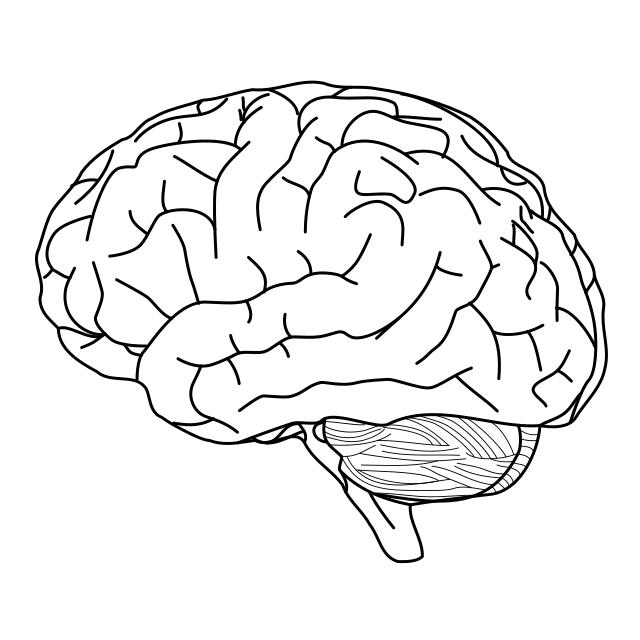
Category: Psychology & Society

  • You’re Only Seeing 0.0001% of Reality: The Brain Filters Almost Everything

    You’re Only Seeing 0.0001% of Reality: The Brain Filters Almost Everything

    What you think of as “reality” is mostly a hallucination—crafted by your brain, filtered for survival, and edited to keep you sane. The world feels complete because your mind is good at hiding the gaps. But if you step back and look at what we actually see, hear, touch, smell, and know, you realize something unnerving:

    You’re only accessing a tiny slice of what exists. The rest is filtered out.

    The Spectrum We Can’t See

    Let’s start with light. The visible spectrum—the colors your eyes can detect—makes up less than 0.0001% of the electromagnetic spectrum. That’s not a typo. Everything you’ve ever seen with your eyes, from sunsets to supernovas, is confined to this razor-thin band between about 400 and 700 nanometers in wavelength.

    Above it? Ultraviolet, X-rays, gamma rays. Below it? Infrared, microwaves, radio waves. All real. All around you. All invisible.

    Bees can see ultraviolet patterns on flowers that we can’t. Snakes can detect infrared heat signatures. Birds use magnetic fields to navigate, something humans can’t sense at all. Reality, it turns out, depends on who’s looking—and with what.

    Hearing, Touch, and Smell: More Limits

    Your hearing range? Around 20 Hz to 20,000 Hz. Elephants communicate with infrasound—below human hearing. Dolphins and bats use ultrasound—above it. Sound exists far beyond our perception. The world is full of frequencies we can’t hear.

    Your sense of touch is mostly pressure, temperature, and vibration. You don’t feel magnetic fields. You don’t feel ionizing radiation. You don’t feel atoms moving, despite the fact that the molecules in your skin are vibrating constantly.

    Smell? Extremely limited. Dogs have up to 300 million olfactory receptors. Humans? Around 5 million. Entire layers of scent-based communication are invisible to us.

    So again, what we sense is just a slice. Not reality—it’s your reality.

    Your Brain Hides the Rest—On Purpose

    Here’s where it gets wild: your brain isn’t even using all the sensory data you do collect.

    There are over 11 million bits of sensory information entering your brain every second. You’re only consciously aware of about 50 bits. That’s 0.0000045% of the total input. The rest is ignored, compressed, or rerouted.

    Your brain’s job is not to show you the truth. Its job is to build a usable model of the world—one good enough to keep you alive. Evolution favors efficiency, not accuracy. If you had to process all the raw data, you’d be paralyzed.

    Instead, your mind generates a simplified simulation based on prediction, memory, and attention. What you call “now” is not live footage—it’s an edited feed.

    Vision: A Construct, Not a Camera

    Vision feels real, but it’s largely synthetic. Your eyes don’t record a perfect image—they gather fragmented light patterns. The brain stitches those fragments together, fills in the blind spot, guesses where shadows should be, and pretends the world is sharp and complete.

    Even color isn’t real in a physical sense. Objects don’t have color—they reflect wavelengths. Your brain assigns color to those wavelengths using internal rules. That’s why some animals see colors we don’t. And it’s why the color “magenta” doesn’t exist on the light spectrum—it’s a mental invention.

    What you’re seeing isn’t the world—it’s the brain’s best guess of what the world probably looks like.

    You Don’t Perceive Time As It Happens

    We also don’t experience time in real time. Neuroscience shows your brain delays conscious perception by about 200 milliseconds to synchronize sensory input. That doesn’t sound like much, but it means your awareness is always slightly in the past.

    During that delay, your brain aligns images, sounds, and motion—smoothing out reality like a movie editor matching frames. The result is a seamless flow, even though what’s really happening is fragmented and chaotic.

    When you catch a baseball, dodge a punch, or speak fluently, you’re not reacting to the moment—you’re predicting it. The brain uses past experience and rapid subconscious processing to anticipate what’s coming. Your experience of the “present” is a delayed reconstruction.

    Attention: A Spotlight on a Dark Stage

    You might think you’re aware of everything in your field of view—but you’re not. Most of what you “see” is just a blurry background. Your brain creates the illusion of a detailed world by painting in what it assumes is there.

    In experiments, researchers have made massive changes to visual scenes while participants looked straight at them—switching people, changing objects—and people didn’t notice. It’s called change blindness, and it reveals how little of the world you actually monitor.

    Your attention is a narrow spotlight. Everything else? Ignored, blurred, or filled in by assumption. And that’s by design. Awareness is expensive—your brain saves power by focusing only on what it thinks matters.

    Memory: Fabricated, Not Recorded

    Even memory—our supposed access to the past—isn’t trustworthy. You don’t store memories like video files. Each time you recall something, you reconstruct it from scratch, mixing in current beliefs and feelings. Every memory is rewritten, which means every memory is a bit of a lie.

    What’s worse? Your brain can generate false memories with ease. A suggestion, a photo, a single word can implant entire fake recollections that feel completely real. So not only do you see little of reality in the present—you also misremember what little you did see.

    The Filter Is the Point

    So why does your brain limit you so much?

    Because unfiltered reality would destroy you. Imagine being aware of every photon, every vibration, every smell, every magnetic shift. You wouldn’t be enlightened—you’d be overwhelmed.

    The brain works like a compression algorithm. It takes the chaos of the universe and encodes it into a functional experience: color, shape, sound, meaning. It doesn’t show you everything. It shows you what’s useful.

    And in that sense, your perception is not designed for truth. It’s designed for survival.

    The Big Question

    If you’re only seeing a sliver of reality—what’s in the rest?

    Is it just deeper physics? Or something stranger—dimensions, consciousness fields, alien intelligences living in vibrational spectra we can’t detect? We don’t know. But the fact remains:

    You live in a hallucination tuned for survival. Not for truth. Not for beauty. And definitely not for completeness.

    And that realization is either terrifying—or freeing.
  • Why Cities Are Getting Louder—and What It’s Doing to Our Minds

    Why Cities Are Getting Louder—and What It’s Doing to Our Minds

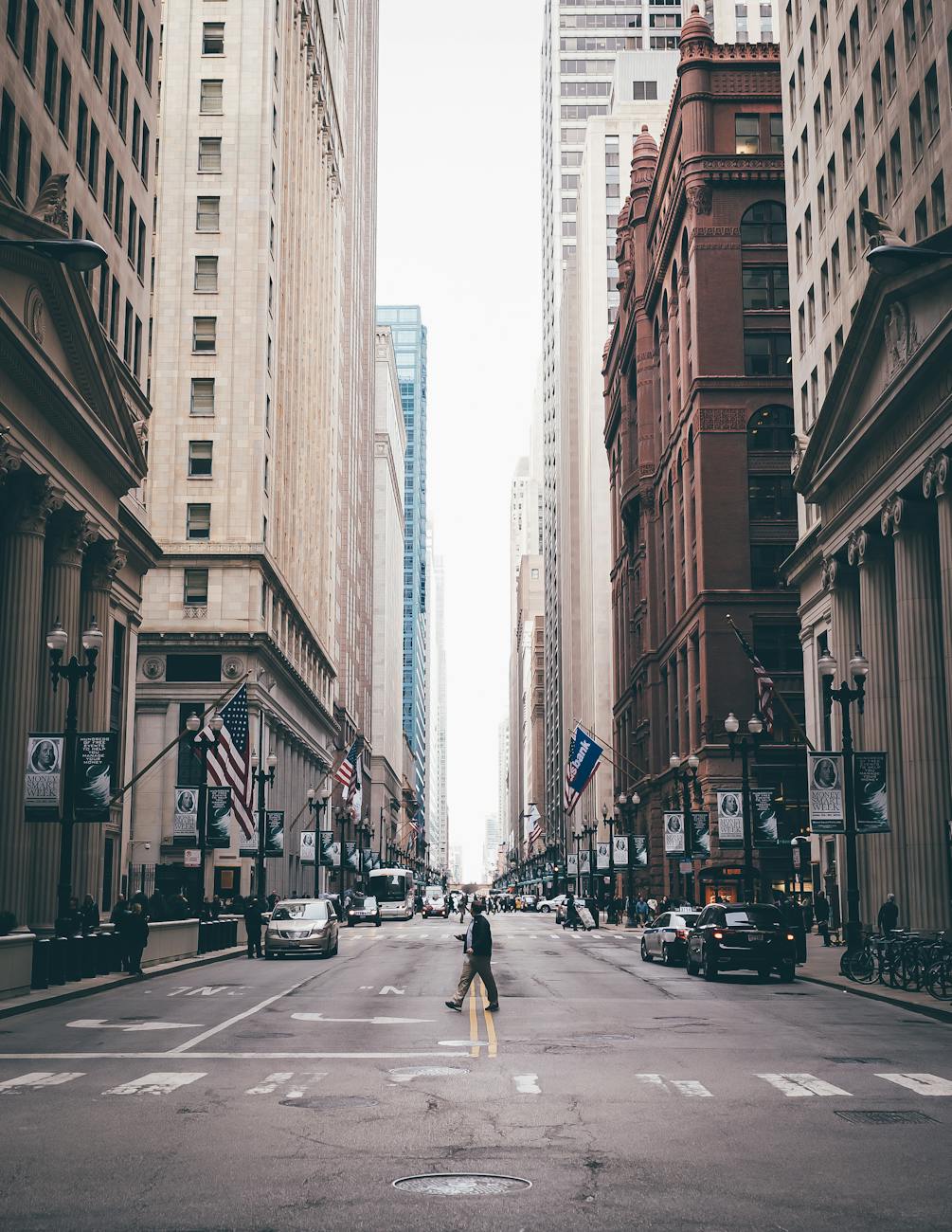
    In the heart of every major city, sound never truly stops. The rumble of trucks, the shriek of subway brakes, the hum of HVAC units, the constant thrum of construction—modern urban life is a rising tide of noise. And it’s getting worse.

    According to the World Health Organization, noise pollution is now the second most harmful environmental stressor in Western Europe, behind only air pollution. But while smoke and smog are visible—and often avoidable—urban noise is invasive, persistent, and largely invisible. Most people have grown so used to it, they no longer notice. But their nervous systems do.

    The Decibel Climb

    Cities have always been noisy. Ancient Rome passed the first known noise ordinances over 2,000 years ago, banning wagons at night due to complaints from sleep-deprived citizens. But today’s volume isn’t just louder—it’s constant. A 2023 study published in Science of the Total Environment found that average sound levels in major cities worldwide have increased by over 30% since the 1990s, with nighttime noise nearly doubling in certain dense urban zones.

    The causes are layered. Rising populations and urban sprawl mean more vehicles, more industry, and more 24-hour economies. Add to that the rise of e-commerce (more delivery trucks), construction booms (more jackhammers), and even air traffic from drones and helicopters. Combine all of it, and what we’re experiencing is not just louder cities—but cities that never go quiet.

    The Body Under Siege

    Humans did not evolve in environments of endless background sound. Evolution shaped our auditory systems to detect danger—snaps, growls, cries, movement. Constant, non-threatening noise—especially when it’s unpredictable—keeps the brain in a state of low-level alert. This leads to a phenomenon called noise stress.

    Unlike acute stress, which spikes during moments of clear threat, noise stress accumulates quietly. It disrupts sleep, increases cortisol levels, and raises blood pressure. Over time, it has been linked to higher risks of heart disease, stroke, and type 2 diabetes. A 2018 study in The Lancet even found a significant correlation between long-term exposure to traffic noise and dementia in elderly populations.

    Sleep disruption is one of the most immediate effects. The brain cycles through stages during rest, including deep sleep and REM. Noise—even sounds you don’t consciously wake up to—can interrupt those stages, reducing sleep quality and leaving the body under-rested and chemically imbalanced. Poor sleep, in turn, is linked to weakened memory, emotional dysregulation, and reduced immune function.

    Mental Fragmentation

    Cognitive science has shown that attention is a limited resource. Noise—especially the kind that comes and goes unpredictably, like honking or alarms—forces the brain to divert attention involuntarily. This “attentional capture” makes deep work more difficult and weakens memory formation.

    This isn’t just a nuisance—it’s a form of environmental cognitive taxation. Studies from urban environments show that people exposed to chronic noise perform worse on tasks requiring focus and working memory. Children living in noisy neighborhoods have been shown to lag behind in reading skills and concentration compared to peers in quieter environments.

    Even for adults, the consequences of long-term exposure aren’t subtle. Urban dwellers show higher rates of anxiety disorders, mood swings, and burnout—often independent of other stressors like financial instability or job strain. Brain imaging studies suggest that noise-exposed individuals have heightened activity in the amygdala, the brain’s fear center, contributing to persistent low-level stress and emotional reactivity.

    The Quiet Divide

    Interestingly, noise exposure—and its mental toll—is not equally distributed. In most cities, poorer neighborhoods tend to be louder. Low-income housing is often located near highways, airports, or industrial zones. These residents are less likely to have access to double-glazed windows, soundproofing, or private green space.

    This “acoustic inequality” means that environmental noise becomes another axis of health and cognitive disparity. Children raised in these conditions may not just suffer poorer physical health—but a quieter future in terms of educational and occupational opportunity.

    Meanwhile, the wealthy buy silence. Luxury real estate markets now sell peace as a premium: soundproof penthouses, secluded suburbs, access to quiet parks. In essence, silence is becoming a privilege.

    Searching for Solutions

    Solving urban noise is not as simple as asking people to be quieter. Most urban sound comes from systems—transportation, logistics, construction, public infrastructure. Reimagining these systems for silence requires political will, technological innovation, and urban planning that values acoustic health.

    Some cities are trying. Paris has installed noise sensors across key areas to enforce sound ordinances more effectively. Barcelona redesigned some of its urban grid to create “superblocks”—car-free zones that dramatically reduce decibel levels. New York City has begun incentivizing quieter delivery vehicles and implementing sound barriers on certain roads.

    But there is still a long way to go. Most building codes do not include acoustic health as a core requirement. Public transport systems are rarely designed with noise reduction in mind. And few people realize that what’s “normal” in city life is slowly altering their neurology.

    Reclaiming the Soundscape

    There is a hidden cost to never hearing silence. The brain craves quiet, not just for rest—but for growth. In silence, the default mode network of the brain activates: a network associated with reflection, insight, memory consolidation, and emotional processing. Constant noise robs us of those moments.

    So, what happens when you give people back their silence?

    In controlled studies, participants exposed to just two hours of silence showed increased hippocampal cell growth—one of the few known effects to promote neurogenesis in adults. Quiet helps the brain literally grow.

    This isn’t just poetic—it’s biological. Silence is not the absence of sound; it’s the presence of peace. Cities that ignore this truth risk becoming places where mental bandwidth is burned just surviving the soundscape.

    As the noise rises, we must ask: how much of our minds are we willing to lose just to live in the city?

  • How Social Media Alters Memory and Identity

    How Social Media Alters Memory and Identity

    In the age of endless scrolling, our minds are no longer private libraries. They are public exhibits, curated and filtered through screens. Social media—Instagram, TikTok, Snapchat, X—doesn’t just show the world who we are. It rewires who we think we are and reshapes how we remember our lives.

    This article explores how platforms designed for sharing moments are also subtly rewriting them, altering the way memory is stored and influencing the construction of identity—especially in teenagers and young adults.


    The Brain Wasn’t Built for Infinite Timelines

    Human memory evolved for survival, not for feeds. We remember emotionally intense, socially relevant, and highly novel information best. Social media hijacks these exact mechanisms.

    When you snap a picture or post a story, you’re interrupting your natural memory-making process. Instead of fully living the moment and letting your brain encode it internally, your focus shifts outward—“Will this get likes?” This “external encoding” sends memory storage out of your head and onto your profile. Over time, you start remembering the post, not the experience.

    Studies in cognitive psychology confirm this: documenting moments for an audience lowers how well we remember them later, especially when the focus is on sharing rather than savoring.


    Your Identity: Constructed or Curated?

    Your sense of self isn’t fixed—it’s an evolving story you tell yourself. But what happens when that story is shaped by an algorithm?

    Social media encourages “identity performance.” You choose which photos to post, what captions to write, how much of your life to reveal. Over time, this can create a feedback loop: you post to get positive attention, which reinforces the version of yourself that received praise. That version might not match who you really are—but it becomes who you believe yourself to be.

    The more we filter, crop, and caption ourselves, the more we risk mistaking the avatar for the original.


    False Memories, Real Consequences

    Here’s something unsettling: you can develop false memories based on things you see online. Known as the “misinformation effect,” this phenomenon occurs when your brain blends fake or exaggerated details into your actual memories. If someone edits a photo or alters a detail in a post, and you see it enough times, your brain might accept it as fact.

    This has real consequences. People often believe they had experiences they only watched—or think they felt something at a moment when they were really performing for the camera. Social media can plant memories that were never truly lived.

    Even worse, comparing yourself to the curated memories of others—perfect bodies, amazing vacations, constant happiness—distorts your internal reality. You’re not just consuming content; you’re letting it overwrite your own truth.


    The “Highlight Reel” Syndrome

    Most users post their best moments: celebrations, achievements, beauty. This creates a false norm. When everyone’s feed is a highlight reel, your ordinary life can start to feel like failure.

    Neuroscientists call this the “social comparison effect.” It’s one of the fastest ways to damage self-worth. When you scroll past a post of someone else’s smiling moment, your brain naturally compares your internal reality to their polished performance.

    That comparison affects identity formation—especially during adolescence, when the brain is still defining the “self.” Teens begin to mold themselves based on what gets engagement, not what’s authentic. It becomes difficult to know what’s genuinely “you” versus what’s algorithm-approved.


    Identity Drift and Algorithmic Control

    The scariest part? Social media doesn’t just reflect your interests—it actively shapes them. Platforms track what you pause on, what you like, what you type, and what you delete. Then, they feed you more of that. Slowly, this reinforces certain parts of your identity while ignoring others.

    Over time, you may lose interest in things that once defined you—not because you changed, but because they weren’t getting engagement.

    This is called “identity drift.” You drift toward the person social media rewards you for being.


    Reclaiming Memory and Self

    This doesn’t mean deleting your accounts and going off-grid. But if you want to protect your identity and sharpen your memory, it helps to change how you use social media.

    Take pictures for yourself, not for others. Wait before posting. Let a moment live in your brain before it lives on your feed. Journal. Reflect offline. Ask yourself: is what I’m sharing me, or just the version of me that I think others want?

    It’s not about going backward—it’s about reclaiming your brain from the machine.


    Final Thoughts

    Social media is one of the most powerful identity-shaping forces in the modern world. It tells us what to remember, how to present ourselves, and who we’re supposed to be. But identity is too complex to fit into a caption. And memory deserves more than a digital echo.

    At its best, social media can connect. But if we’re not careful, it can also erase—replacing our lived experiences with performative pixels.

    In a world obsessed with documenting everything, maybe the most radical thing you can do is just live it.