Tag: health

  • How Fish Breathe: Unlocking the Underwater Miracle

    How Fish Breathe: Unlocking the Underwater Miracle

    Breathing underwater might sound like science fiction to us, but for fish, it’s just physics. Without lungs, without rising for air (at least most of them), and in an environment where oxygen is dissolved in mere traces, fish have evolved one of nature’s most elegant systems: gills. These delicate, feathered organs extract the oxygen they need from water—a medium 800 times denser than air and 30 times less oxygen-rich.

    But the process isn’t just fascinating—it’s complex, energy-efficient, and finely tuned by millions of years of evolutionary pressure. Here’s how fish breathe.

    Oxygen in Water: The Challenge

    Before we dive into the mechanics, understand this: oxygen in water is scarce. Air contains about 21% oxygen by volume. In water? Less than 1%. That means fish have to extract as much as they can, using minimal energy, without drowning in their own effort. And they do it while moving, escaping predators, and sometimes living in nearly stagnant ponds.

    Water doesn’t flow easily. It’s thick, and pushing it over respiratory surfaces takes work. Every breath a fish takes has to count.

    Enter the Gills: Nature’s Underwater Lungs

    Gills are the breathing organs of most fish. Located on either side of the fish’s head and protected by a bony flap called the operculum, gills are made of thin, delicate structures called gill filaments, which are themselves lined with even finer lamellae—thin sheets where gas exchange happens.

    Blood flows through the lamellae in capillaries, tiny vessels where the surface area is maximized. At the same time, water flows over the gills, delivering oxygen and carrying away carbon dioxide. This meeting point—where blood meets water—is where oxygen moves in, and carbon dioxide moves out.

    Counter-Current Exchange: The Secret to Efficiency

    The brilliance of fish respiration lies in a mechanism called counter-current exchange.

    In this system, water and blood flow in opposite directions. Why? Because it keeps the concentration gradient of oxygen high across the entire gill surface. At every point along the gill, the water passing over it always has more oxygen than the blood within it. This allows oxygen to continuously diffuse into the blood.

    If the flows went the same way, the gradient would vanish halfway through, and oxygen absorption would plummet. With counter-current flow, fish can extract up to 85–90% of the available oxygen in the water. Human lungs, by comparison, absorb only about 25% of the oxygen we inhale.

    This makes gills more efficient than lungs in terms of oxygen extraction—despite the watery handicap.

    The Pumping Process

    Fish breathe by pumping water over their gills. This isn’t passive. They actively open their mouths to draw water in, then close their mouths and push the water out through the operculum, over the gills.

    Some species, like tuna and sharks, rely on a method called ram ventilation—they must swim forward continuously with their mouths open to force water over their gills. If they stop moving, they suffocate. These are the fish that never sleep the way we do.

    Others, like most reef fish or goldfish, can breathe while stationary, using muscular movements to draw water over the gills.

    Blood’s Role: Hemoglobin Still Rules

    Just like humans, fish use hemoglobin in their red blood cells to carry oxygen. The oxygen diffuses across the gill membranes into the blood, where it binds to iron molecules in the hemoglobin. From there, it’s delivered to muscles, organs, and the brain.

    Interestingly, some species, like Antarctic icefish, have evolved without hemoglobin entirely. Living in oxygen-rich, freezing waters, their clear blood flows slowly and passively carries enough dissolved oxygen to survive—barely.

    Gills Are Fragile, Yet Powerful

    The massive surface area of gills—necessary for oxygen transfer—makes them extremely delicate. They’re vulnerable to damage from toxins, pollutants, parasites, or even rapid changes in water salinity.

    Some fish can temporarily shut down parts of their gill systems to conserve energy or avoid toxin exposure. Others, like salmon, undergo entire gill transformations when moving from freshwater to saltwater.

    What About Fish That Breathe Air?

    Some fish are evolutionary rebels.

    Species like the lungfish have developed lungs in addition to gills, allowing them to gulp air during dry seasons. The Betta and gourami have a special organ called the labyrinth, which lets them breathe air from the surface—handy for oxygen-poor waters.

    Then there’s the mudskipper, a fish that spends more time on land than in water. It breathes through its skin and the moist lining of its mouth, much like an amphibian.

    Fish like these show us that respiration isn’t one-size-fits-all. In fact, breathing methods often reflect the extreme environments these creatures inhabit—from stagnant swamps to roaring ocean currents.

    Can Fish Drown?

    Yes—and it’s not a paradox.

    Fish “drown” when they can’t get enough oxygen from the water. This happens when the water is too warm (warmer water holds less oxygen), too polluted, or stagnant. It can also happen if their gills are damaged or clogged.

    Even though they live in water, fish need oxygen just as much as we do. Water without oxygen is as deadly to them as air without oxygen is to us.

    In Summary

    Fish breathe using a biological system that’s precise, efficient, and highly evolved. Their gills perform a delicate dance of fluid mechanics and molecular diffusion—extracting life from liquid. And beneath the surface of lakes, oceans, and rivers, millions of species do it in real time, without a sound.

    They don’t have lungs, but they breathe just fine.
    Because evolution—quietly and slowly—designed a miracle.

  • Why Cities Are Getting Louder—and What It’s Doing to Our Minds

    Why Cities Are Getting Louder—and What It’s Doing to Our Minds

    In the heart of every major city, sound never truly stops. The rumble of trucks, the shriek of subway brakes, the hum of HVAC units, the constant thrum of construction—modern urban life is a rising tide of noise. And it’s getting worse.

    According to the World Health Organization, noise pollution is now the second most harmful environmental stressor in Western Europe, behind only air pollution. But while smoke and smog are visible—and often avoidable—urban noise is invasive, persistent, and largely invisible. Most people have grown so used to it, they no longer notice. But their nervous systems do.

    The Decibel Climb

    Cities have always been noisy. Ancient Rome passed the first known noise ordinances over 2,000 years ago, banning wagons at night due to complaints from sleep-deprived citizens. But today’s volume isn’t just louder—it’s constant. A 2023 study published in Science of the Total Environment found that average sound levels in major cities worldwide have increased by over 30% since the 1990s, with nighttime noise nearly doubling in certain dense urban zones.

    The causes are layered. Rising populations and urban sprawl mean more vehicles, more industry, and more 24-hour economies. Add to that the rise of e-commerce (more delivery trucks), construction booms (more jackhammers), and even air traffic from drones and helicopters. Combine all of it, and what we’re experiencing is not just louder cities—but cities that never go quiet.

    The Body Under Siege

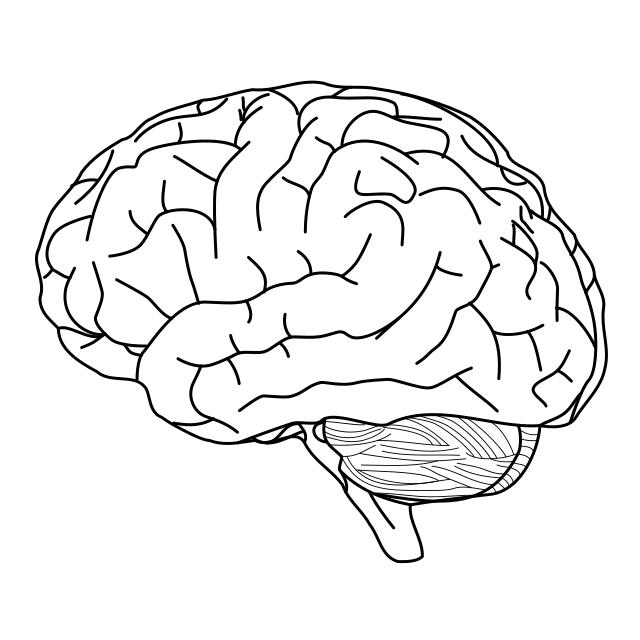
    Humans did not evolve in environments of endless background sound. Evolution shaped our auditory systems to detect danger—snaps, growls, cries, movement. Constant, non-threatening noise—especially when it’s unpredictable—keeps the brain in a state of low-level alert. This leads to a phenomenon called noise stress.

    Unlike acute stress, which spikes during moments of clear threat, noise stress accumulates quietly. It disrupts sleep, increases cortisol levels, and raises blood pressure. Over time, it has been linked to higher risks of heart disease, stroke, and type 2 diabetes. A 2018 study in The Lancet even found a significant correlation between long-term exposure to traffic noise and dementia in elderly populations.

    Sleep disruption is one of the most immediate effects. The brain cycles through stages during rest, including deep sleep and REM. Noise—even sounds you don’t consciously wake up to—can interrupt those stages, reducing sleep quality and leaving the body under-rested and chemically imbalanced. Poor sleep, in turn, is linked to weakened memory, emotional dysregulation, and reduced immune function.

    Mental Fragmentation

    Cognitive science has shown that attention is a limited resource. Noise—especially the kind that comes and goes unpredictably, like honking or alarms—forces the brain to divert attention involuntarily. This “attentional capture” makes deep work more difficult and weakens memory formation.

    This isn’t just a nuisance—it’s a form of environmental cognitive taxation. Studies from urban environments show that people exposed to chronic noise perform worse on tasks requiring focus and working memory. Children living in noisy neighborhoods have been shown to lag behind in reading skills and concentration compared to peers in quieter environments.

    Even for adults, the consequences of long-term exposure aren’t subtle. Urban dwellers show higher rates of anxiety disorders, mood swings, and burnout—often independent of other stressors like financial instability or job strain. Brain imaging studies suggest that noise-exposed individuals have heightened activity in the amygdala, the brain’s fear center, contributing to persistent low-level stress and emotional reactivity.

    The Quiet Divide

    Interestingly, noise exposure—and its mental toll—is not equally distributed. In most cities, poorer neighborhoods tend to be louder. Low-income housing is often located near highways, airports, or industrial zones. These residents are less likely to have access to double-glazed windows, soundproofing, or private green space.

    This “acoustic inequality” means that environmental noise becomes another axis of health and cognitive disparity. Children raised in these conditions may not just suffer poorer physical health—but a quieter future in terms of educational and occupational opportunity.

    Meanwhile, the wealthy buy silence. Luxury real estate markets now sell peace as a premium: soundproof penthouses, secluded suburbs, access to quiet parks. In essence, silence is becoming a privilege.

    Searching for Solutions

    Solving urban noise is not as simple as asking people to be quieter. Most urban sound comes from systems—transportation, logistics, construction, public infrastructure. Reimagining these systems for silence requires political will, technological innovation, and urban planning that values acoustic health.

    Some cities are trying. Paris has installed noise sensors across key areas to enforce sound ordinances more effectively. Barcelona redesigned some of its urban grid to create “superblocks”—car-free zones that dramatically reduce decibel levels. New York City has begun incentivizing quieter delivery vehicles and implementing sound barriers on certain roads.

    But there is still a long way to go. Most building codes do not include acoustic health as a core requirement. Public transport systems are rarely designed with noise reduction in mind. And few people realize that what’s “normal” in city life is slowly altering their neurology.

    Reclaiming the Soundscape

    There is a hidden cost to never hearing silence. The brain craves quiet, not just for rest—but for growth. In silence, the default mode network of the brain activates: a network associated with reflection, insight, memory consolidation, and emotional processing. Constant noise robs us of those moments.

    So, what happens when you give people back their silence?

    In controlled studies, participants exposed to just two hours of silence showed increased hippocampal cell growth—one of the few known effects to promote neurogenesis in adults. Quiet helps the brain literally grow.

    This isn’t just poetic—it’s biological. Silence is not the absence of sound; it’s the presence of peace. Cities that ignore this truth risk becoming places where mental bandwidth is burned just surviving the soundscape.

    As the noise rises, we must ask: how much of our minds are we willing to lose just to live in the city?

  • The Real Science of Weight Loss: How Your Body Actually Burns Fat

    The Real Science of Weight Loss: How Your Body Actually Burns Fat

    Everyone wants a shortcut. Burn fat fast. Drop 10 pounds in a week. But real, lasting weight loss isn’t about tricks—it’s about physics, biology, and time. The truth is brutally simple and surprisingly misunderstood. Your body is a machine, and fat loss is not a mystery. It’s math, hormones, and fuel.

    This article breaks down exactly how weight loss works, what actually burns fat, and what the science says about losing it effectively—and keeping it off.


    What Is Fat, Really?

    Fat isn’t just “extra weight.” It’s a dense, energy-rich storage system. When you eat more calories than your body uses, that extra fuel is converted into triglycerides and stored in fat cells.

    These cells expand but don’t disappear easily. They shrink when you lose weight, but their number remains. That’s why weight regain happens quickly if habits return—your body remembers.

    Fat isn’t just cosmetic. It acts as insulation, hormone storage, and an energy reserve. But too much of it—especially around the organs (visceral fat)—triggers inflammation and increases the risk of diabetes, heart disease, and cancer.


    How Weight Loss Actually Works

    At the core, weight loss comes down to caloric deficit—you burn more energy than you take in. That’s not a marketing slogan. It’s a law of thermodynamics.

    Your body burns calories every second to stay alive. This includes your basal metabolic rate (BMR)—the energy your body uses for basic functions like breathing, circulation, and organ maintenance. Add in physical activity and digestion, and you get your total daily energy expenditure (TDEE).

    If you consume fewer calories than your TDEE, your body pulls energy from stored fat to make up the difference. Over time, this is what causes fat loss.

    One pound of fat is about 3,500 calories. That means a deficit of 500 calories per day results in roughly 1 pound of fat loss per week.


    Where the Fat Goes

    When you burn fat, it doesn’t just “melt” off your body. It’s metabolized.

    Most of the fat you lose is exhaled as carbon dioxide. The rest exits as water through sweat, urine, or vapor. That’s right—you breathe out your fat.

    This process involves breaking triglycerides into glycerol and fatty acids, converting them into energy, and releasing waste gases through respiration. That’s why exercise speeds it up—it increases your oxygen demand and fat oxidation.


    How to Actually Lose Weight

    There are thousands of weight loss strategies, but most of them are repackaging the same principle: create a calorie deficit without destroying your health.

    Here’s how real, effective fat loss is achieved:

    First, eat fewer calories than you burn. Track your intake. Apps, food scales, or pre-planned meals help. You don’t need starvation—just consistency.

    Second, prioritize protein. It preserves muscle while in a deficit and increases satiety. The more muscle you have, the more calories you burn—even at rest.

    Third, move more. Cardio burns calories directly. Strength training builds muscle, which burns calories over time. A combination of both is ideal.

    Fourth, sleep. Poor sleep disrupts hormones like ghrelin and leptin, increasing hunger and cravings. It also slows recovery and weakens willpower.

    Fifth, stay consistent. Fat loss takes weeks to months. Your body resists change. The early weight drop is often water. True fat reduction is slower—but sustainable.


    Why Diets Fail

    Most diets fail not because they don’t work—but because they aren’t sustainable. If your method depends on severe restriction, detoxes, or temporary habits, your body rebounds.

    The body adapts to extreme deficits by lowering metabolism and increasing hunger hormones. That’s why yo-yo dieting is so common.

    Real change happens with habits. Not gimmicks. Not products. Not starvation. Long-term fat loss comes from discipline and structure, not suffering.


    What About Ozempic and GLP-1 Drugs?

    Medications like Ozempic (semaglutide) have gained popularity for rapid fat loss. These drugs mimic GLP-1, a hormone that slows digestion, reduces appetite, and improves insulin sensitivity.

    They work by helping people feel full with less food, and they’re effective—but they’re not magic. They support the calorie deficit. Without better eating patterns and lifestyle changes, the weight often comes back when the medication stops.

    These tools can help, but they don’t replace the core truth: fat loss still depends on energy balance.


    How to Keep It Off

    Losing weight is one thing. Keeping it off is the real test.

    After fat loss, your body wants to return to its previous weight. It increases hunger hormones and decreases resting metabolism—a survival mechanism from our evolutionary past.

    To maintain weight loss, build a lifestyle you don’t need to “escape” from. That means:

    Eat mostly whole, nutrient-dense foods. Move daily. Sleep well. Reduce stress. And don’t rely on short bursts of willpower—rely on systems.

    Weight loss is not an event. It’s a strategy you live.


    Final Thoughts

    Your body is not broken. It’s efficient. It stores energy when you give it too much and burns it when you give it less. The science is clear: to lose fat, eat in a deficit, move often, and don’t quit when the scale stalls.

    The challenge is never knowledge—it’s consistency. But every pound you lose is proof: biology can be bent with discipline.

    Fat loss isn’t luck. It’s physics with a plan.

  • How Social Media Alters Memory and Identity

    How Social Media Alters Memory and Identity

    In the age of endless scrolling, our minds are no longer private libraries. They are public exhibits, curated and filtered through screens. Social media—Instagram, TikTok, Snapchat, X—doesn’t just show the world who we are. It rewires who we think we are and reshapes how we remember our lives.

    This article explores how platforms designed for sharing moments are also subtly rewriting them, altering the way memory is stored and influencing the construction of identity—especially in teenagers and young adults.


    The Brain Wasn’t Built for Infinite Timelines

    Human memory evolved for survival, not for feeds. We remember emotionally intense, socially relevant, and highly novel information best. Social media hijacks these exact mechanisms.

    When you snap a picture or post a story, you’re interrupting your natural memory-making process. Instead of fully living the moment and letting your brain encode it internally, your focus shifts outward—“Will this get likes?” This “external encoding” sends memory storage out of your head and onto your profile. Over time, you start remembering the post, not the experience.

    Studies in cognitive psychology confirm this: documenting moments for an audience lowers how well we remember them later, especially when the focus is on sharing rather than savoring.


    Your Identity: Constructed or Curated?

    Your sense of self isn’t fixed—it’s an evolving story you tell yourself. But what happens when that story is shaped by an algorithm?

    Social media encourages “identity performance.” You choose which photos to post, what captions to write, how much of your life to reveal. Over time, this can create a feedback loop: you post to get positive attention, which reinforces the version of yourself that received praise. That version might not match who you really are—but it becomes who you believe yourself to be.

    The more we filter, crop, and caption ourselves, the more we risk mistaking the avatar for the original.


    False Memories, Real Consequences

    Here’s something unsettling: you can develop false memories based on things you see online. Known as the “misinformation effect,” this phenomenon occurs when your brain blends fake or exaggerated details into your actual memories. If someone edits a photo or alters a detail in a post, and you see it enough times, your brain might accept it as fact.

    This has real consequences. People often believe they had experiences they only watched—or think they felt something at a moment when they were really performing for the camera. Social media can plant memories that were never truly lived.

    Even worse, comparing yourself to the curated memories of others—perfect bodies, amazing vacations, constant happiness—distorts your internal reality. You’re not just consuming content; you’re letting it overwrite your own truth.


    The “Highlight Reel” Syndrome

    Most users post their best moments: celebrations, achievements, beauty. This creates a false norm. When everyone’s feed is a highlight reel, your ordinary life can start to feel like failure.

    Neuroscientists call this the “social comparison effect.” It’s one of the fastest ways to damage self-worth. When you scroll past a post of someone else’s smiling moment, your brain naturally compares your internal reality to their polished performance.

    That comparison affects identity formation—especially during adolescence, when the brain is still defining the “self.” Teens begin to mold themselves based on what gets engagement, not what’s authentic. It becomes difficult to know what’s genuinely “you” versus what’s algorithm-approved.


    Identity Drift and Algorithmic Control

    The scariest part? Social media doesn’t just reflect your interests—it actively shapes them. Platforms track what you pause on, what you like, what you type, and what you delete. Then, they feed you more of that. Slowly, this reinforces certain parts of your identity while ignoring others.

    Over time, you may lose interest in things that once defined you—not because you changed, but because they weren’t getting engagement.

    This is called “identity drift.” You drift toward the person social media rewards you for being.


    Reclaiming Memory and Self

    This doesn’t mean deleting your accounts and going off-grid. But if you want to protect your identity and sharpen your memory, it helps to change how you use social media.

    Take pictures for yourself, not for others. Wait before posting. Let a moment live in your brain before it lives on your feed. Journal. Reflect offline. Ask yourself: is what I’m sharing me, or just the version of me that I think others want?

    It’s not about going backward—it’s about reclaiming your brain from the machine.


    Final Thoughts

    Social media is one of the most powerful identity-shaping forces in the modern world. It tells us what to remember, how to present ourselves, and who we’re supposed to be. But identity is too complex to fit into a caption. And memory deserves more than a digital echo.

    At its best, social media can connect. But if we’re not careful, it can also erase—replacing our lived experiences with performative pixels.

    In a world obsessed with documenting everything, maybe the most radical thing you can do is just live it.