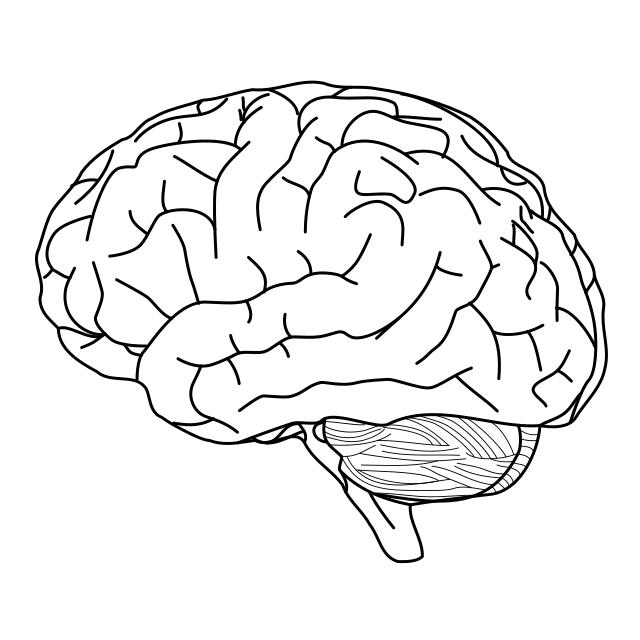
In the age of endless scrolling, our minds are no longer private libraries. They are public exhibits, curated and filtered through screens. Social media—Instagram, TikTok, Snapchat, X—doesn’t just show the world who we are. It rewires who we think we are and reshapes how we remember our lives.
This article explores how platforms designed for sharing moments are also subtly rewriting them, altering the way memory is stored and influencing the construction of identity—especially in teenagers and young adults.
The Brain Wasn’t Built for Infinite Timelines
Human memory evolved for survival, not for feeds. We remember emotionally intense, socially relevant, and highly novel information best. Social media hijacks these exact mechanisms.
When you snap a picture or post a story, you’re interrupting your natural memory-making process. Instead of fully living the moment and letting your brain encode it internally, your focus shifts outward—“Will this get likes?” This “external encoding” sends memory storage out of your head and onto your profile. Over time, you start remembering the post, not the experience.
Studies in cognitive psychology confirm this: documenting moments for an audience lowers how well we remember them later, especially when the focus is on sharing rather than savoring.
Your Identity: Constructed or Curated?
Your sense of self isn’t fixed—it’s an evolving story you tell yourself. But what happens when that story is shaped by an algorithm?
Social media encourages “identity performance.” You choose which photos to post, what captions to write, how much of your life to reveal. Over time, this can create a feedback loop: you post to get positive attention, which reinforces the version of yourself that received praise. That version might not match who you really are—but it becomes who you believe yourself to be.
The more we filter, crop, and caption ourselves, the more we risk mistaking the avatar for the original.
False Memories, Real Consequences
Here’s something unsettling: you can develop false memories based on things you see online. Known as the “misinformation effect,” this phenomenon occurs when your brain blends fake or exaggerated details into your actual memories. If someone edits a photo or alters a detail in a post, and you see it enough times, your brain might accept it as fact.
This has real consequences. People often believe they had experiences they only watched—or think they felt something at a moment when they were really performing for the camera. Social media can plant memories that were never truly lived.
Even worse, comparing yourself to the curated memories of others—perfect bodies, amazing vacations, constant happiness—distorts your internal reality. You’re not just consuming content; you’re letting it overwrite your own truth.
The “Highlight Reel” Syndrome
Most users post their best moments: celebrations, achievements, beauty. This creates a false norm. When everyone’s feed is a highlight reel, your ordinary life can start to feel like failure.
Neuroscientists call this the “social comparison effect.” It’s one of the fastest ways to damage self-worth. When you scroll past a post of someone else’s smiling moment, your brain naturally compares your internal reality to their polished performance.
That comparison affects identity formation—especially during adolescence, when the brain is still defining the “self.” Teens begin to mold themselves based on what gets engagement, not what’s authentic. It becomes difficult to know what’s genuinely “you” versus what’s algorithm-approved.
Identity Drift and Algorithmic Control
The scariest part? Social media doesn’t just reflect your interests—it actively shapes them. Platforms track what you pause on, what you like, what you type, and what you delete. Then, they feed you more of that. Slowly, this reinforces certain parts of your identity while ignoring others.
Over time, you may lose interest in things that once defined you—not because you changed, but because they weren’t getting engagement.
This is called “identity drift.” You drift toward the person social media rewards you for being.
Reclaiming Memory and Self
This doesn’t mean deleting your accounts and going off-grid. But if you want to protect your identity and sharpen your memory, it helps to change how you use social media.
Take pictures for yourself, not for others. Wait before posting. Let a moment live in your brain before it lives on your feed. Journal. Reflect offline. Ask yourself: is what I’m sharing me, or just the version of me that I think others want?
It’s not about going backward—it’s about reclaiming your brain from the machine.
Final Thoughts
Social media is one of the most powerful identity-shaping forces in the modern world. It tells us what to remember, how to present ourselves, and who we’re supposed to be. But identity is too complex to fit into a caption. And memory deserves more than a digital echo.
At its best, social media can connect. But if we’re not careful, it can also erase—replacing our lived experiences with performative pixels.
In a world obsessed with documenting everything, maybe the most radical thing you can do is just live it.
 The Zuara Press